Moving to Utah? Here's What Locals Wish You Knew Before You Arrive

Jordan Sheffield
REALTOR® · Real Estate Essentials
August 3, 2026
I was born and raised in Utah. I've lived along the Wasatch Front my whole life, and I've watched it change dramatically over the years. More people are moving here than ever before, and the Utah I grew up in is constantly evolving. That's exciting. But it also means a lot of people arrive with expectations shaped by Instagram photos and secondhand stories, and the reality is a little more complicated.
This guide is not a marketing brochure. It's a real, honest look at what it's actually like to move to Utah, based on my experience growing up here and helping dozens of out-of-state buyers find their place along the Wasatch Front. Here's what I wish every newcomer knew before they packed the moving truck.
The culture is more diverse than outsiders expect
If you've never been to Utah, you might picture a certain stereotype. And yes, there is a significant LDS (Latter-day Saints) presence here that shapes the culture in real ways. Sundays are quiet. Many businesses close early. The alcohol laws are different — grocery stores can't sell full-strength beer, and you'll need to visit a state-run liquor store for wine and spirits. It takes some getting used to.
But here's what I want you to know: Salt Lake City proper is one of the most diverse, welcoming, and increasingly progressive cities in the Intermountain West. The restaurant scene is phenomenal. The arts and music communities are thriving. And the surrounding suburbs each have their own distinct personality. You'll find neighborhoods that feel like anywhere in America, and you'll find transplants from every state who moved here for the same reasons — the mountains, the jobs, the quality of life.
My advice: come with an open mind. Utah is a place where community matters deeply, and people are genuinely friendly. The "Utah nice" stereotype is real. If you're willing to engage, you'll find your people.
The outdoor access is unmatched
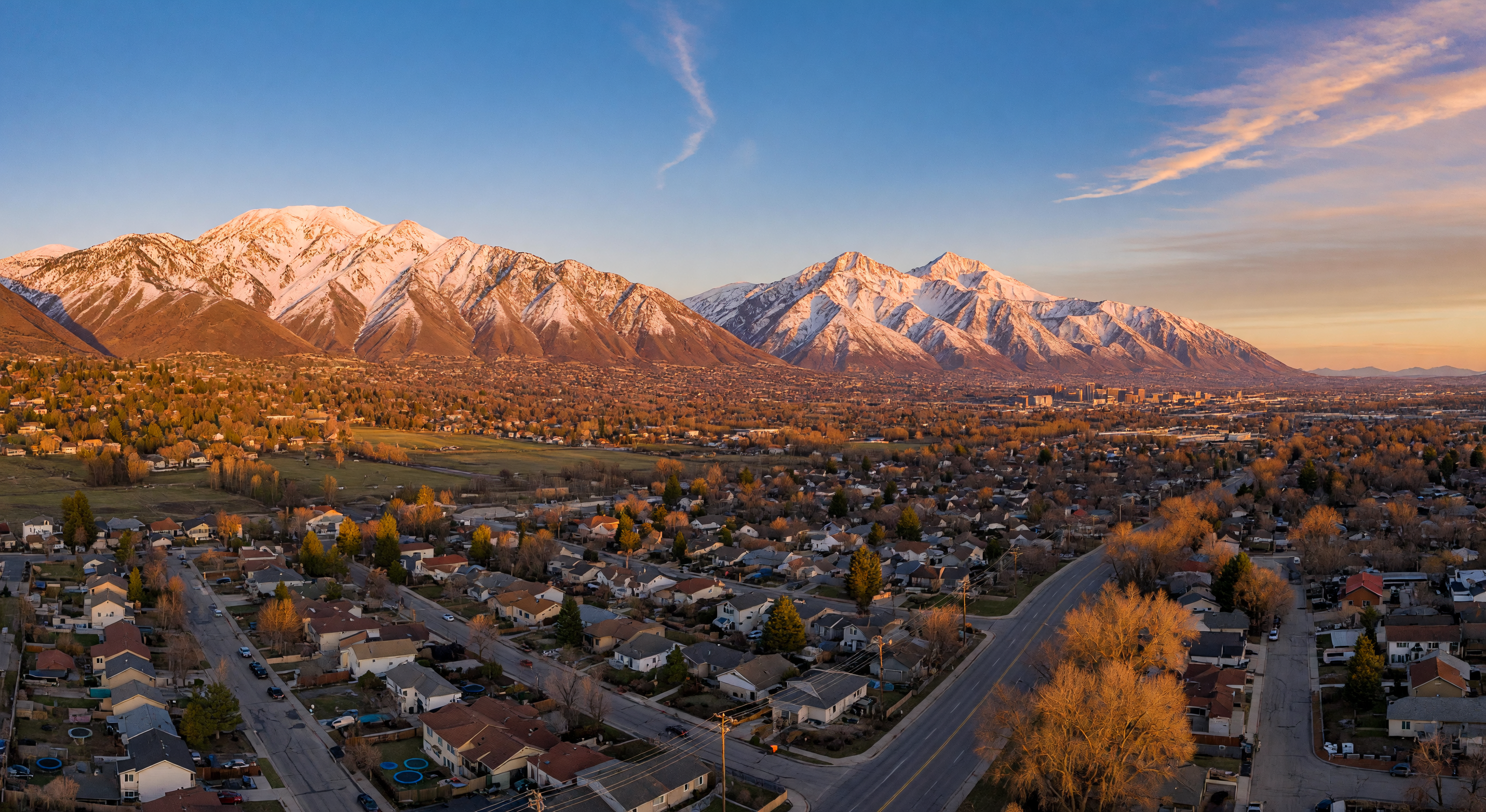
This is the part that's actually as good as the photos. Utah has five national parks, world-class skiing, thousands of miles of hiking and mountain biking trails, and more than 200 days of sunshine a year. Along the Wasatch Front, you can be on a trail within 15 minutes of downtown Salt Lake City, at a ski resort within 30 minutes, or in a national forest within an hour.
Winter is ski season, and it's extraordinary. Snowbird, Alta, Brighton, Solitude, Deer Valley, Park City, Snowbasin, Powder Mountain — the Wasatch Front has some of the best snow on earth. Summer means hiking, camping, fishing, mountain biking, and paddleboarding on the Great Salt Lake or Utah Lake. Fall is stunning, with golden aspen groves at every elevation.
The state invests heavily in outdoor recreation. In 2026 alone, Utah awarded more than $19 million in Outdoor Recreation Grants to fund 81 projects across 27 counties. Access to the outdoors is not just a perk here — it's a core part of the lifestyle.
I-15 traffic is real, but manageable
Let me be honest: the I-15 corridor is the biggest adjustment for most newcomers. The "Point of the Mountain" bottleneck between Salt Lake County and Utah County is notorious. Commuting from Lehi to downtown Salt Lake City can take 45 minutes to an hour during peak hours, and the construction seems perpetual.
That said, UDOT is actively investing in improvements. A $39.6 million federal grant is funding adaptive ramp meters between Salt Lake City and the Point of the Mountain. New flex lanes on Pioneer Crossing have increased capacity by 50% and are expected to save drivers an average of 6 minutes per commute. The FrontRunner commuter rail is a solid alternative if you live near a station.
The key is choosing your neighborhood based on your commute, not just the home price. If you work in Silicon Slopes (Lehi, Draper, Sandy), live in that corridor. If you work downtown, live in Salt Lake City or the close-in suburbs. The worst mistake I see out-of-state buyers make is buying a great house in a city that adds 90 minutes to their daily commute.
The real estate market moves fast
Utah's housing market has been one of the hottest in the country for years, and 2026 is no exception. The statewide median sold price hit a record $528,000 in June 2026, up 3.5% year over year. But the market is also shifting. Inventory is up roughly 5-10% from last year, and the era of 20-offer bidding wars is cooling. The market is slightly seller's but closer to balanced than in recent years — homes in the most in-demand areas still draw strong interest, while buyers have more negotiating room than they did in 2024 or 2025.
What this means for you: the best homes still move fast, especially in desirable neighborhoods under $600,000. But you have more time and more options than buyers did in 2024 or 2025. About 26% of Salt Lake metro listings have taken a price cut, which is a sign that overpriced homes are sitting. That gives you room to negotiate on the right property.
I recommend getting pre-approved before you start looking seriously. The market is not as frantic as it was, but a clean offer with financing in place still wins over a contingent offer every time. And work with a local agent who knows the neighborhoods — not just the listings. If you're considering the Sandy area, I'd be happy to help you explore what's available. The difference between a good neighborhood and a great one for your specific lifestyle is not something you can Google.
Neighborhoods vary wildly, even in the same city
This is one of the most important things to understand about the Wasatch Front. Salt Lake City's Avenues neighborhood feels completely different from its Rose Park neighborhood. Daybreak in South Jordan is a world away from the older neighborhoods along the Jordan River. Draper's Suncrest area has a totally different character than Draper's historic downtown.
We have dedicated neighborhood guides for each of the eight cities on this site, and I encourage you to read them. But nothing replaces actually visiting. Drive through the neighborhoods at different times of day. Walk the main streets. Visit the parks. Talk to people. The right neighborhood for you is a feeling, not just a data point.
A few patterns I've noticed: families with young kids tend to gravitate toward Daybreak in South Jordan and the Lehi/Saratoga Springs area for the community feel and schools. Young professionals and couples prefer the Sugar House, 9th and 9th, and Central City neighborhoods in Salt Lake City. Outdoor enthusiasts gravitate toward the bench neighborhoods in Sandy, Draper, and Ogden for trail access. And retirees increasingly look at Ogden and Provo for the value and slower pace.
A respectful note on the "Mormon culture" question
I get asked about this constantly by out-of-state buyers. It's a fair question. The Church of Jesus Christ of Latter-day Saints has a significant presence in Utah, and it shapes the culture in ways that are noticeable. Sunday mornings are quiet. Some neighborhoods have more families with kids. Community events often have a church-adjacent feel.
Here's my honest take: if you're not LDS, you will not feel excluded or unwelcome along the Wasatch Front — especially in Salt Lake City, the central suburbs, and the resort towns. The state is becoming more diverse every year, and the influx of out-of-state transplants has changed the cultural landscape significantly. Utah consistently ranks among the best states for families, with safe neighborhoods and strong communities. The welcoming attitude is real.
That said, if you're moving to a deeply suburban area like certain parts of Utah County, you may find that social life revolves around church activities more than it does in other parts of the country. The best approach is to be aware of it, be respectful of it, and find your community. There are active Meetup groups, hiking clubs, sports leagues, and social circles for every interest. Utahns are friendly people. If you make an effort, you'll find your people.
My take as a lifelong Utahn
I love this state. I've lived here my whole life, and I've chosen to stay and build a career here because I genuinely believe the Wasatch Front is one of the best places in the country to live. The outdoor access, the economy, the sense of community, the four seasons — it's a special place.
But it's also a place that's changing fast. The growing pains are real — traffic, housing costs, growing crowds on the trails — but the fundamentals are strong. The job market is one of the best in the country. The quality of life is exceptional. And the people, for the most part, are genuinely kind.
If you're thinking about moving here, my advice is simple: come visit first. Spend a week driving the corridor. Stay in a couple of different neighborhoods. See what resonates. And when you're ready to make a move, reach out. I've helped dozens of out-of-state buyers find their place along the Wasatch Front, and I'd love to help you too.
Ready to explore the Wasatch Front?
Dive into our neighborhood guides or reach out for a conversation about which area might be the right fit for you.